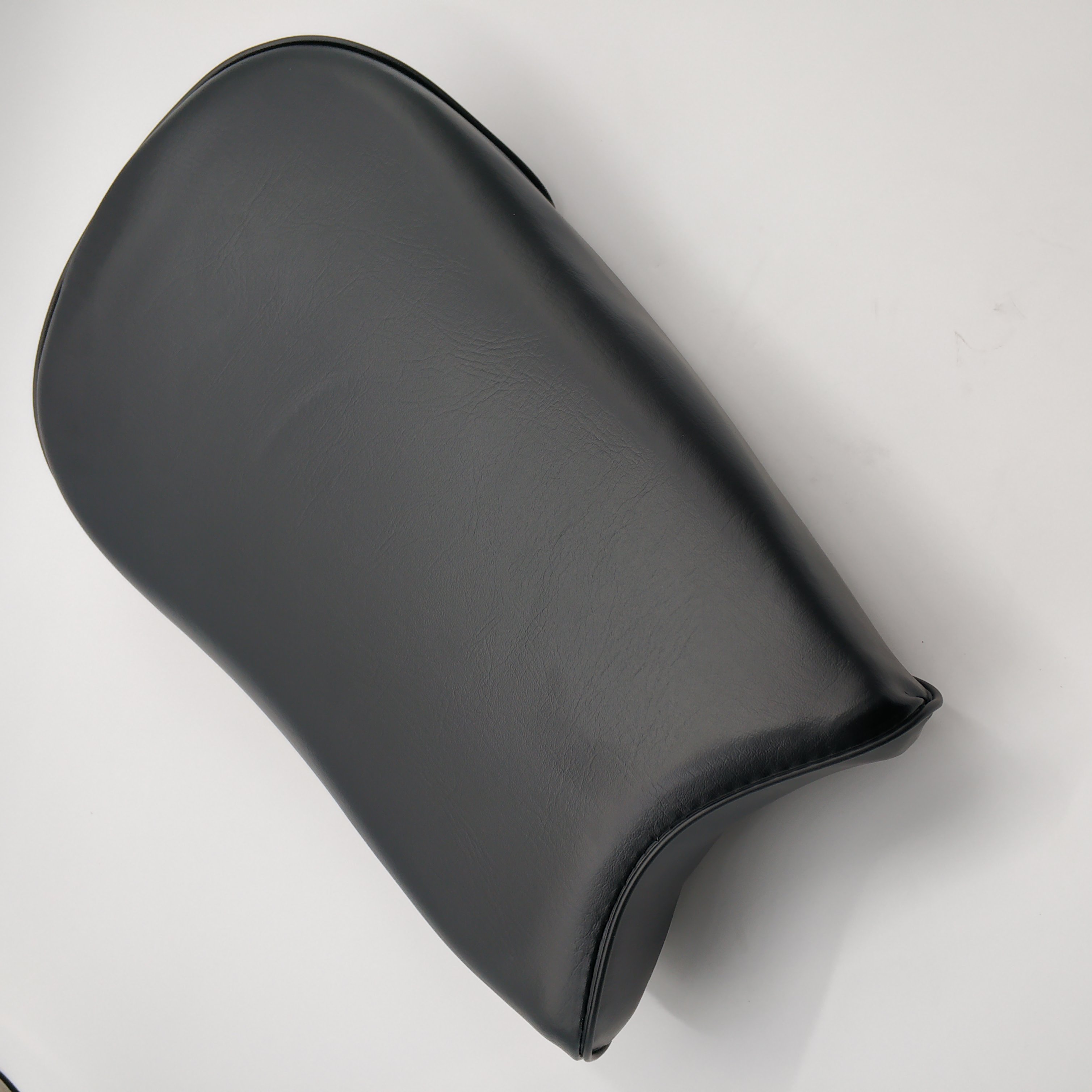
Introduction: A matte, gloss, or patterned tank cover stays even-looking when you loosen grit before touching it, and most dulling comes from skipping that step.
The tank area is where a sportbike collects the most contact: jacket zippers at every stop, gloves during refueling, knees squeezing the sides in traffic, and a steady film of road dust settling on top. Owners who treat that surface like painted metal often wipe it dry at a fuel stop and later notice one patch looking shinier, cloudier, or streakier than the rest. The fix is not a special product. It is a cleaning sequence that lifts grit off the surface before anything rubs against it. This guide walks through why a plastic cosmetic cover behaves differently from painted metal, how grit and cloth choice change what the finish looks like afterward, and how to build a routine that suits matte, gloss, and patterned versions of the CFMOTO 450SR tank protector.
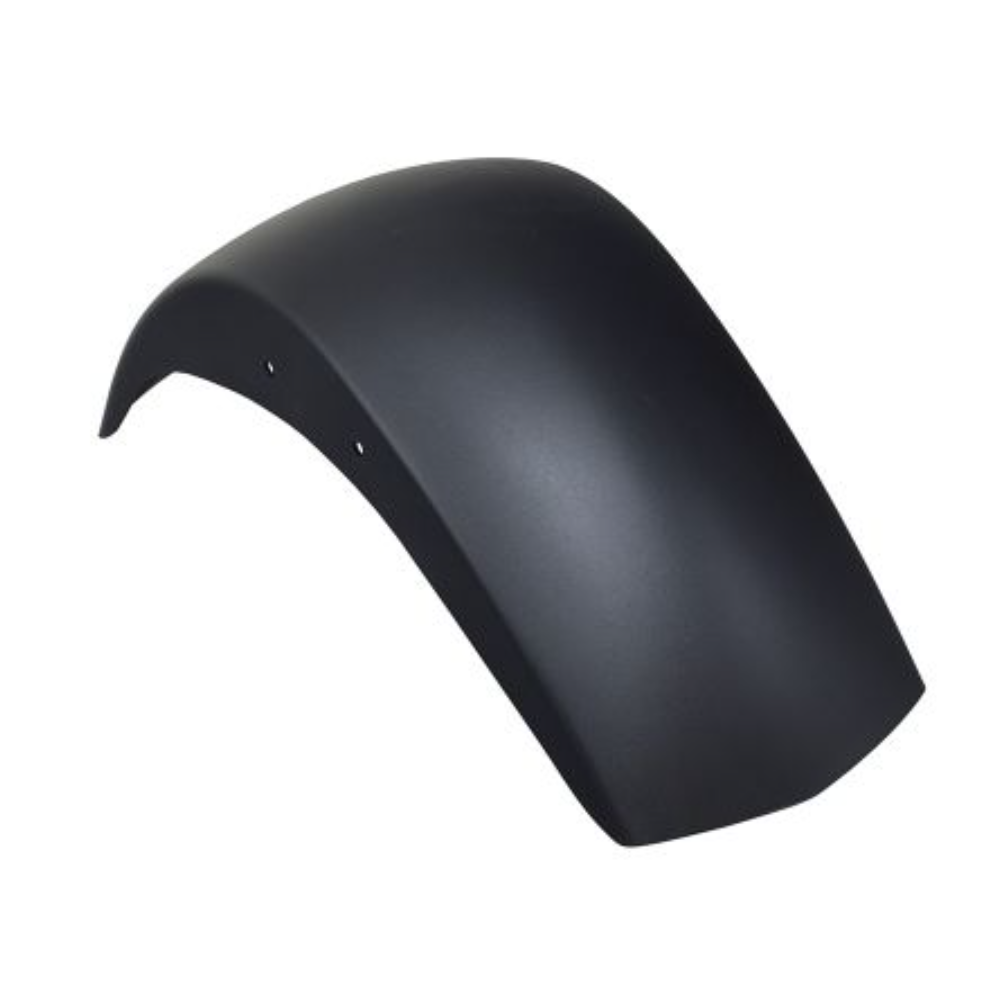
A CFMOTO 450SR fuel tank cover is a molded plastic shell that sits over the original tank and carries a decorative finish on its outer face. That finish is what you see and touch, not a thick clearcoat over steel. Matte surfaces show the difference most clearly, because a matte finish scatters light in every direction at once. Anything that locally smooths the surface — a dry rub, a gritty cloth, an oily rag dragged across dust — creates a small area that reflects light more directly, and the eye reads it as either a dull smudge or a shiny patch. Gloss finishes respond the same way but show the damage as fine haze along the wipe path instead. The location makes all of this worse. The cover sits directly behind the bars, so it collects insect marks and road film on the leading face, and it stays warm after a ride because the tank underneath holds engine heat. A warm plastic surface is softer and more willing to smear whatever is pressed into it. Fuel drips around the filler neck add a solvent to the mix, and textile gear abrades the sides where knees grip. None of this calls for an elaborate ritual. It does mean the surface rewards a routine that removes loose material first and only then makes contact with a cloth.
Most dulling happens in the first few seconds of a wipe, before any cleaner has had time to work. Three things decide whether the finish comes out even or patchy: what is sitting on the surface, what is dragging across it, and which direction the hand travels.
Road film is not soft house dust. It is fine mineral grit bound together with oil mist, tire rubber, and dried insect residue, and it sits on the cover like a very thin layer of sandpaper. A dry cloth traps those particles in its fibers and presses them against the finish while your hand moves, which is why a quick dry wipe can leave a whole section looking hazy. Water changes the physics: it lifts particles, carries them away, and lets a cloth glide instead of scrape. Wet the surface first, give it thirty to sixty seconds of dwell time, and flush it with clean water before any cloth touches the cover. Work from the top down so dirty water never runs back over a section you already rinsed.
On a gloss surface, residue mostly sits on top and comes away in a pass or two. Matte finishes and patterned surfaces such as carbon fiber pattern and forged pattern hold material in a different way: the micro-texture, the molded seams around the edges, and the fine lines of the pattern itself create low spots where dust and polish residue collect. Wiping harder pushes that material deeper or drags it sideways across the pattern lines, which is exactly how streaks and uneven patches form. A soft detailing brush with light pressure, worked along the direction of the pattern rather than across it, lifts residue out instead of grinding it in. Cloth choice matters just as much — a high-pile microfiber gives grit somewhere to go, while a worn or gritty cloth behaves like a sanding block wrapped in fabric.
A care sequence for a CFMOTO 450SR racing tank cover follows the same logic from start to finish: cool, loosen, lift, blot, and only then inspect. Let the bike cool first, because a warm surface makes every product work faster than you want it to. Pre-rinse the cover to float off the worst of the grit, then wash with plenty of water and a mild soap solution so the cloth is never the only thing between grit and finish. Blot dry with a clean, dry microfiber rather than scrubbing the surface dry, and keep separate cloths for dirty work and finish work. A cloth that has already wiped a chain guard or a front fender should never come back to the tank. Each finish then asks for one specific habit. On matte, skip anything that fills or polishes the texture — waxes and gloss enhancers leave a sheen that a matte surface cannot absorb evenly, and a spot polished by hand usually ends up glossier than the area around it. On bright black and other gloss finishes, wipe in straight lines rather than circles, since circular buffing on a dusty surface leaves swirl marks that catch sunlight. On the carbon fiber pattern, forged pattern, silver gray, and starlight white variants, the visible pattern sits under a protective top layer, so the goal is to keep that layer clear: mild cleaners, low pressure, and no aggressive scrubbing across the pattern edges. The CF275 tank cover record lists the six finishes but not chemical resistance or coating hardness, so milder products simply leave a wider margin. Track days do not change the routine. Riders cleaning insect marks between sessions are doing ordinary appearance care, which is a separate matter from certified race equipment standards. A few minutes with clean water and a soft cloth after each ride keeps the surface consistent, and consistency is what makes a finish look even months later.
Dulling is rarely caused by one bad product. It builds up from repeated small habits: dry wiping at a fuel stop, reusing a gritty cloth, scrubbing across a pattern instead of along it. Loosening grit with water before contact, choosing a clean high-pile microfiber, and matching the wipe to the finish type is enough to keep a matte, gloss, or patterned cover looking the way it did on day one. Owners who want to check which finish variant they have can review the CFMOTO 450SR fuel tank cover options and match the cleaning habit to the surface.
A: A mild soap-and-water mix works on both, but the habits around it should differ. Gloss finishes tolerate gentle wiping and can be wiped in straight lines without much risk, while matte finishes should never receive wax, polish, or gloss enhancers because those products fill the texture and leave shiny patches. Keep one mild cleaner for both, and keep the finishing products away from matte entirely.
A: A dry cloth traps loose road grit and presses it against the finish while your hand moves, so the surface gets microscopically abraded along the wipe path. On gloss that shows as fine haze, and on matte it shows as a smoothed patch that reflects light differently from the surrounding texture. Water lifts the grit away before the cloth arrives.
A: Treat the pattern as a decorative layer that needs to stay clear. Rinse first, wash with mild soap and plenty of water, and use a soft brush with light pressure worked along the pattern lines rather than across them. Blot dry with a clean microfiber. Avoid strong solvents and hard scrubbing, which are the two things that make a pattern look cloudy over time.
.com Disclosures: How to Make Effective Disclosures in Digital Advertising | FTC
The World of Motorcycling - Published Documents | FIM