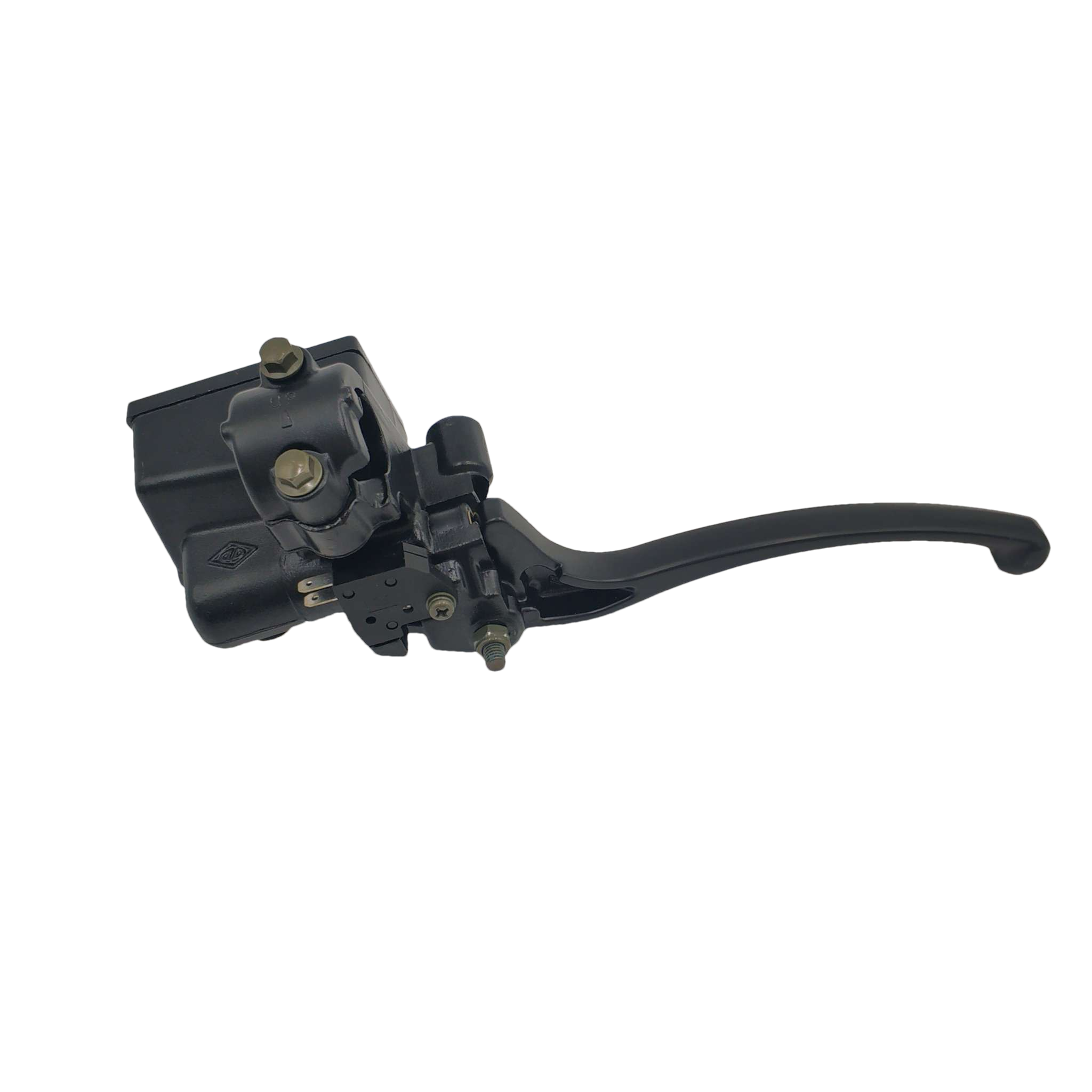
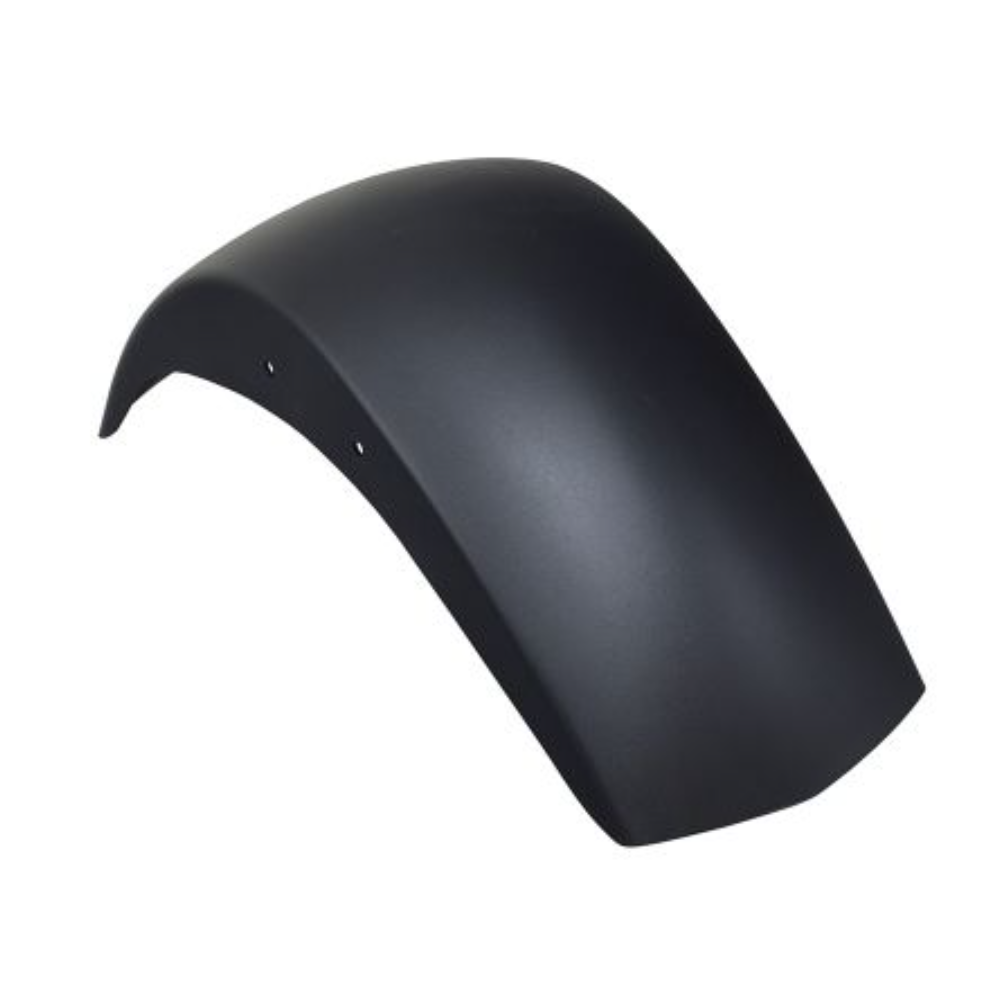
Introduction: If you recently installed a refitted front brake oil pot cover for the CFMOTO 675NK, learning to clean it gently is the easiest way to keep the aluminum surface looking even.
After a ride, this small cover collects more than dust. Road spray carries fine grit toward the handlebar, washing leaves water on the surface, and any work near the front brake master cylinder can leave a stray drop of brake fluid. The cover is a single-piece aluminum alloy cap that reuses the original screws, so it sits in a visible area as a cosmetic replacement. That also means there are no extra gaskets or attachments to worry about; the cleaning routine is about the visible metal itself. this guide explains why the anodized surface does not respond well to heavy wiping, how water and brake fluid residue behave on the cap, and what to do after every wash.
Someone who only cleans painted plastic panels can easily use the same habit on this cap, and that habit is where the risk starts. Painted plastic has a relatively forgiving surface; a damp cloth, a mild spray, and a little more pressure usually leave no trace. An anodized aluminum part calls for a lighter touch. Aluminum is protected by the natural oxide film on its surface, and the Aluminum Association points to that film as the reason finished aluminum products hold up well in normal use. On an aluminum cover, the colored finish is a thin layer that is not repairable like paint, so scratching it with an abrasive cloth is the kind of damage that stays visible. That is why cleaning should not mean polishing. Abrasive compounds, scouring pads, and rough cloths contain hard particles that cut fine scratches into the surface. Once scratched, an anodized finish does not become smooth again from more rubbing, and heavier pressure only deepens the dull look. Even a clean dry rag can be too aggressive if grit is sitting on the cap. A better approach is to dampen the cloth so contamination is lifted rather than dragged across the finish. Strong sunlight can gradually age anodized colors, which is normal; the maintenance goal is to avoid speeding up that change with harsh cleaning habits.
Riders often ask which cloth or liquid is safest, but the answer depends on what is actually sitting on the cap. Fine road dust is mostly harmless until water turns it into a thin layer of mud. As the water dries, minerals and tiny particles stay behind as spots. If the cap is then wiped dry, those particles move across the surface under the cloth and act like a very fine abrasive. This is the most common way a small aluminum part loses its uniform look: not through weather, but through wiping dry grit across an unprotected area. Brake fluid residue behaves differently from water in a way that matters for cleaning. Because brake fluid is designed to stay liquid over a wide temperature range, a drop on the cover does not dry cleanly like water. It stays as a thin, sticky film that collects dust. A dry rag rubbed over that spot spreads the film, while dust particles trapped in the fluid act like fine sandpaper. The better move is to absorb the drop with a slightly damp cloth rather than scrub it into the surface. The fluid moves into the damp fabric instead of being dragged sideways, which keeps the smear from growing. Water also follows predictable paths on the cap. It pools in the lower areas around the seam and in the recessed pockets where the original screws sit, and those spots dry more slowly because little air reaches them. Water left behind in those areas can form faint lines, collect lint, or leave a filmy deposit that becomes visible when sunlight hits the cap. Keeping the seam and screw pockets dry after washing is therefore part of maintaining the cover; it is not an instruction to open the reservoir or disturb the brake system.
The practical routine can be finished in less than a minute after a normal wash. Use a clean, soft cloth that does not shed fibers; a microfiber cloth or a soft cotton cloth works well. No degreaser, metal polish, or solvent is needed for routine cleaning. If the cap has only dust and dried water spots, dampen the cloth with clean water and follow this order:
This routine also makes the front brake reservoir area easier to inspect. Brake inspection guidance for motorcycles treats the front brake area as a zone that should remain free of obvious fluid leaks and easy to check, so keeping the cover clean is not only cosmetic. If fluid ever appears near the seam after the cap has been cleaned, you will notice it sooner, and you can decide what to do without wondering whether the residue came from an old stain or from the bike itself.
Once the oil cup cover is installed, keeping it looking right comes down to a simple mindset: keep water, dirt, and aggressive cleaners away from the anodized surface and the seam around the reservoir. You do not need polish, strong chemicals, or a special kit. A soft damp cloth, an absorbent dry cloth, and a wiping pattern that moves from the center toward the edges are enough for normal maintenance. The same habit protects the cover and leaves the front brake reservoir area clean and easy to inspect. After washing, take a look at the edges and screw pockets; if you see moisture or lint there, dry it before the bike goes back into use. That small after-wash check is what keeps an aluminum cosmetic part looking the way it did when you fitted it.
A:The safest combination is a soft, lint-free cloth and clean water. Wipe from the center of the cover toward the edges after washing, then dry it with a separate cloth. Avoid dry rubbing, abrasive cloths, metal polish, and solvent-based cleaners. If the surface has an oily film, press a slightly damp cloth against the spot to lift it rather than wiping it back and forth. That is the whole routine.
A:Brake fluid residue does not destroy an anodized finish instantly, but it creates the conditions for surface damage. The fluid stays sticky, collects dust, and turns that dust into a mild abrasive when you rub it with a dry cloth. It also attacks painted bodywork nearby if it is left in place. The right habit is to absorb any visible brake fluid drop with a slightly damp cloth as soon as it appears, then dry the area instead of spreading the film.
A:No single splash of wash water should worry you; the reservoir assembly is designed to keep brake fluid inside, so exterior moisture in the seam is a maintenance topic, not a brake failure. What deserves attention is water that stays there and dries repeatedly, because it leaves lines, collects lint, and makes the cap look uneven. After washing, blot the seam and the screw recesses dry, and check those same spots for residue. If the brake fluid level later drops for no clear reason, treat that as a brake system check.
The Aluminum Advantage | The Aluminum Association
MOT inspection manual: motorcycles - 1. Brakes | GOV.UK
Refitted Front Brake Oil Pot Cover For CFMOTO 675NK - PARTSABC