Introduction: One-piece molding on a CFMOTO 450SR racing tank cover changes where seams fall, how edges run, and how the whole shell reads when you look across the tank.
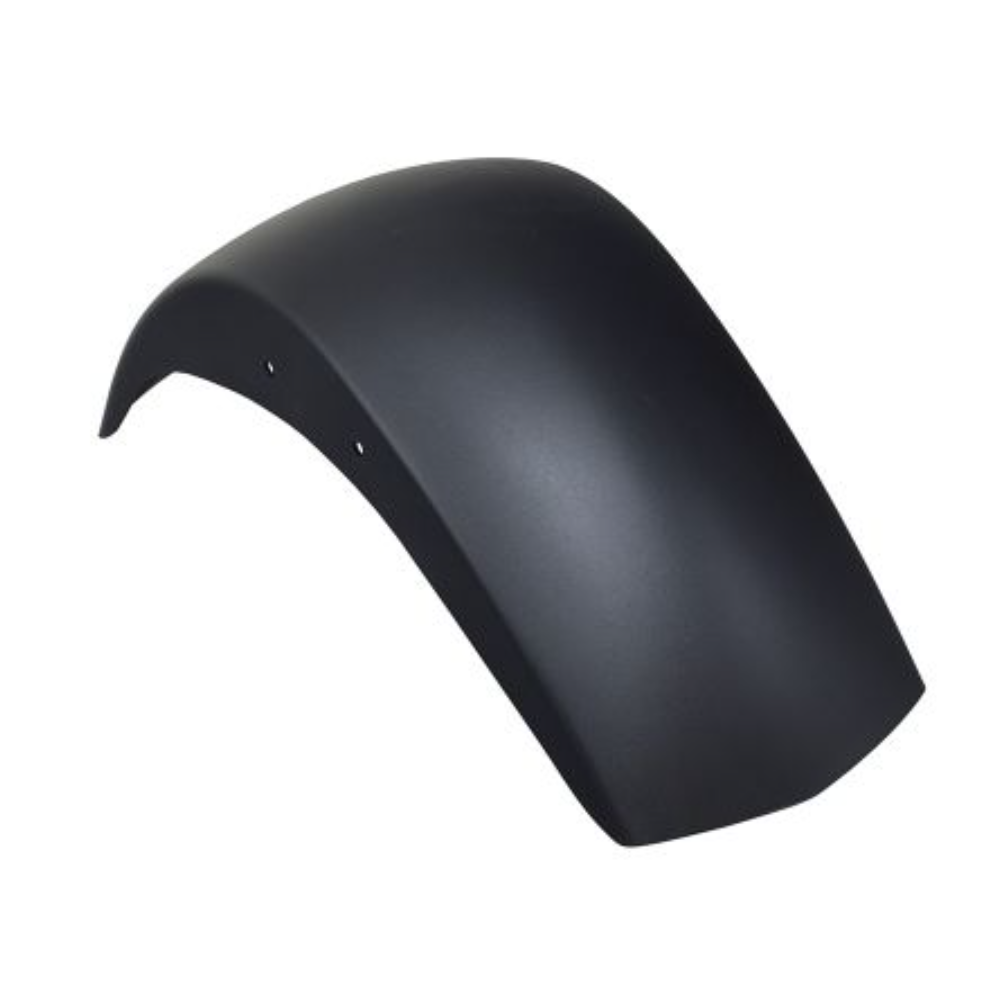
Riders comparing tank covers usually notice the shape first and the wording second. They see "one-piece molding" on a listing and want to know what it actually changes on the bike parked in front of them. On a 450SR, the fuel tank is the part you look down at from the seat and grip with your knees, so anything wrapped over it changes the silhouette and the line where the cover meets the original bodywork. The CF275 from PartsABC Auto Parts is described as a one-piece molded, full coverage racing tank cover with a height-increase outline, and that description is easiest to understand through three things: seams, edges, and surface flow.
One-piece molding means the outer shell comes out of the mold as a single continuous piece, rather than being built up from separate left, right, and top sections that have to meet along joints. On a 450SR tank cover, that single-piece approach is why the shell can follow the tank's shoulder curve and side faces without a hard break running across the middle. The visible result comes down to three things.
The clearest way to judge this is ordinary looking, not measuring. Stand beside a 450SR with the cover fitted and follow the tank from the front edge toward the seat. On a continuous shell, your eye travels along one curved surface and keeps going; on a jointed cover, your eye stops at each seam line, checks whether the two sides line up, and moves on. That difference shows up most from the rider's view, where the top of the tank fills a large part of the downward sight line and any interruption in the surface is immediately obvious. Seams also change over time in ways riders notice. Joints collect dust, hold water after a wash, and catch light at slightly different angles from the panels around them, so a multi-part cover can start to look busier as it ages even when nothing has moved. A single molded shell keeps one continuous finish across the top and shoulders, which is where the surface is most visible and most often touched. The full coverage description matters here too: the shell wraps the visible tank area as one surface, and the height-increase outline raises the rear shoulder so the silhouette from the seat reads taller and more track-oriented.
"Racing" in a product name describes a look and a riding context. It points to a track-style outline: a taller rear shoulder, a flatter top run, and a shape that gives the knee something more defined to press against. The FIM publishes the technical and regulatory documents that govern sanctioned motorcycle competition, and those documents define what may be used in regulated racing. A cosmetic tank cover sits outside that world; it is a styling and protection part for a road bike, and its name is a description of appearance rather than an entry ticket to a race class. The same care applies to material wording. One-piece molding tells you how the shell is formed, not what it is made of, and it does not turn a molded cover into carbon fiber or into certified race equipment. The CF275 is offered in finishes that include carbon fiber pattern and forged pattern, which are appearance options, and the naming keeps that separation clear — a pattern name describes how a surface looks. Advertising guidance from the FTC asks sellers to keep descriptions of appearance distinct from claims about material performance, which is why that separation is worth reading carefully. The CF275 listing gives the molding method, coverage, and outline; the base material grade, exact dimensions, and fixing method are worth confirming with the seller before ordering, and weight or strength figures are not part of the published description.
One-piece molding is easiest to understand as a seam question. A single molded shell removes the joints that a multi-part cover needs, keeps the edge line running in one pass around the tank, and lets a finish flow across the curves without a visible shift. That is what changes the look of a CFMOTO 450SR racing tank cover: fewer interruptions, a cleaner outline, and a surface that reads as one shape from the seat. Anyone who wants to check the CF275 in person can start with the product record and compare the outline against their own bike.
A: It means the outer shell is formed as a single continuous piece rather than assembled from separate left, right, and top sections. On the bike, that shows up as fewer visible joint lines across the tank, an edge that runs unbroken around the lower and outer sides, and a finish that carries across the curves without a mismatch where two panels would otherwise meet.
A: Molding method and material performance are separate questions. One-piece molding describes how the shell is shaped, and the CF275 listing gives the molding method, coverage, and height-increase outline without publishing a base material grade, weight, or strength figure. Readers comparing covers should judge weight and strength from whatever material and test information a seller actually provides, not from the molding description alone.
A: It reduces them. A jointed cover needs seams where its sections meet, usually along the top center or beside the knee cut, and those lines catch light and collect dust over time. A single shell leaves shape and shadow as the main visual lines across the tank, so the surface reads as one continuous form from the front edge back toward the seat.
The World of Motorcycling - Published Documents | FIM
.com Disclosures: How to Make Effective Disclosures in Digital Advertising | FTC