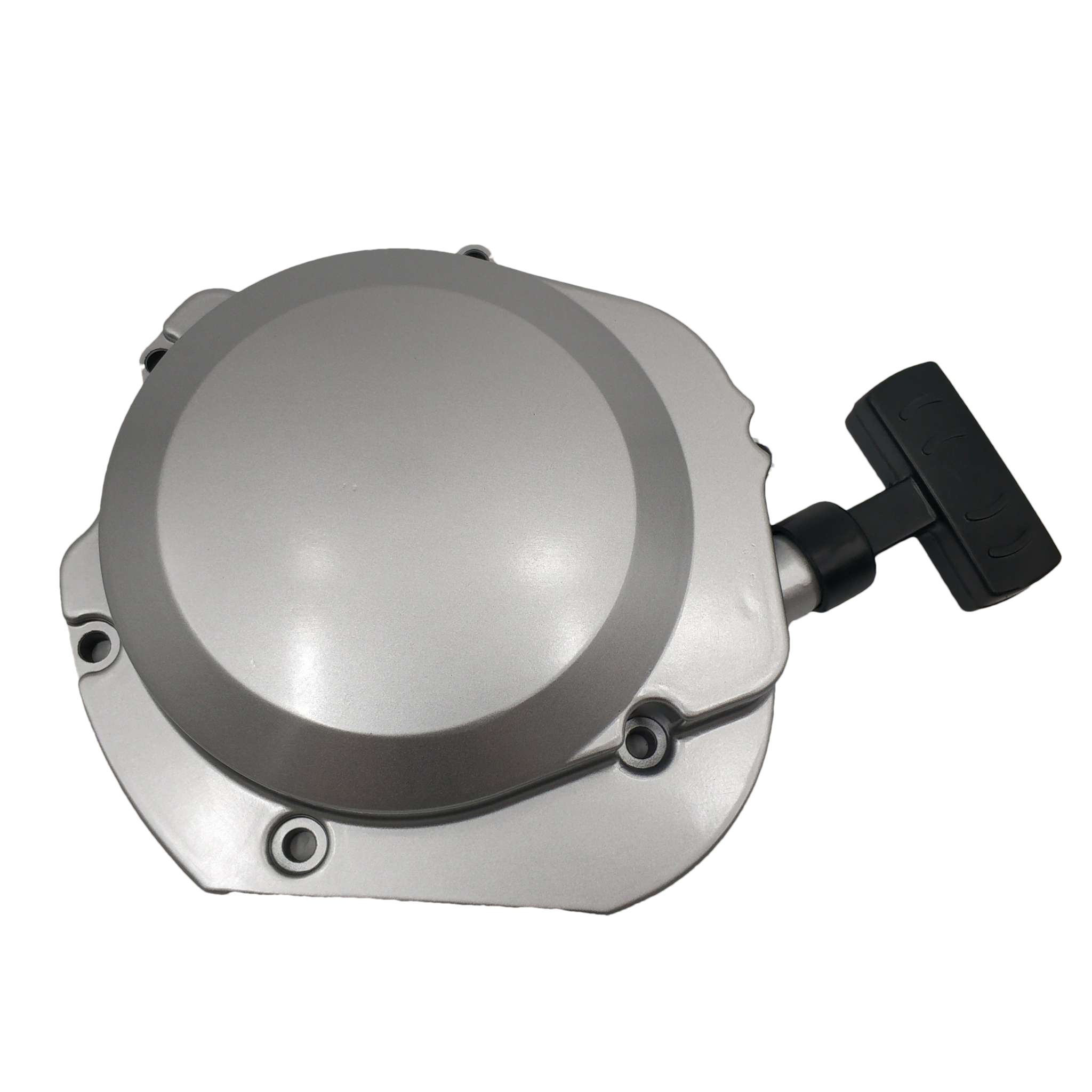
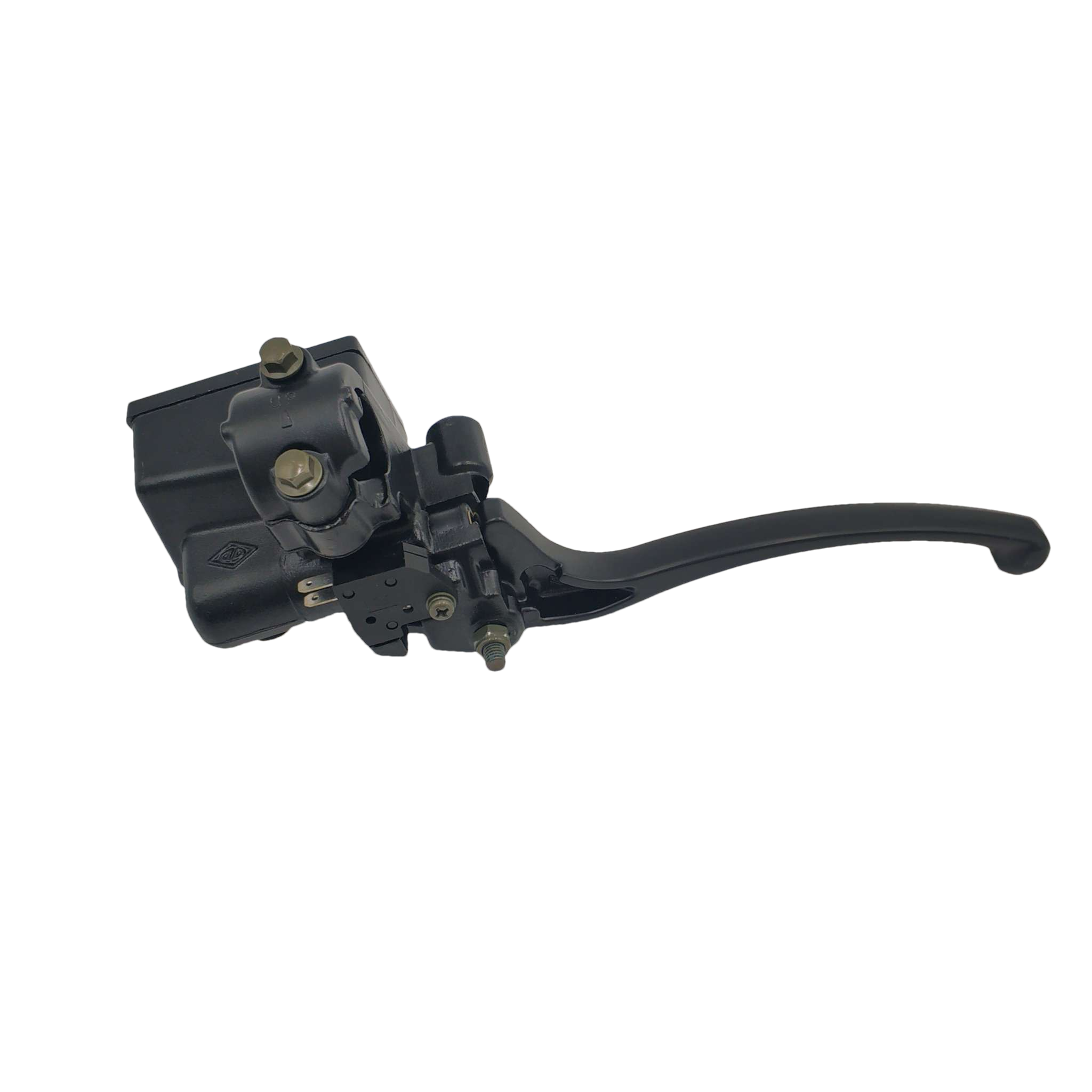
Introduction: Changing a CFMOTO 675NK front brake oil pot cover is a small mechanical job; brake fluid is not water, and one unnoticed drip can turn it into a paint repair.
Most owners can make the swap without touching master cylinder internals, because an aftermarket CFMOTO 675NK oil pot cover is an outer part that reuses the original screws. The trouble is location: the cover sits directly above or beside the front brake fluid reservoir, so the small workspace is chemically sensitive, not just tight. A clean result depends on two habits: protect the paint before the cover comes off, then handle brake fluid residue as shop waste rather than sink rinse.
Most motorcycles use DOT 3 or DOT 4 glycol-based brake fluid. It is not water, engine oil, or coolant. Brake fluid has to stay stable in hot calipers, resist vapor lock, and handle moisture over months of riding, so it is made from chemicals that are far more active than they look. The same chemistry that keeps the braking system working can also soften clear coat, lift decals, stain painted panels, and make certain plastics turn cloudy. The exact reaction depends on the paint system and how long the fluid sits, but the practical answer for a home mechanic is simple: do not test it on your bodywork. On the 675NK, the risk sits close to the paint. The front brake reservoir is mounted near the handlebar assembly, which places it above or beside the tank, upper bodywork, front fender, and wiring. When the oil pot cover is sealed, brake fluid stays where it belongs. The danger appears when you break that seal: fluid can cling to the underside of the cover, sit in the lip of the rubber diaphragm, or run down the outside of the reservoir if the bike is moved at the wrong moment. A replacement cover for this bike is usually a single-piece aluminum outer cover with no screws in the package, so the job relies on the original screws and keeps the work area small. Small, however, does not mean dry. Brake inspections for motorcycles also treat fluid leaks as a braking-system concern because lost fluid means lost pressure, which gives an owner another reason to keep the area clean rather than wipe it down later and hope for the best.
The risky part is brief. Once the original screws are loose and the cover is lifted, the reservoir area is no longer sealed, and the fluid no longer has a solid barrier holding it in place. You do not need to drain the system or disconnect a brake line for an oil pot cover swap, but you do need to control the parts you can control: bike angle, handlebar position, and hand movement.
Park on level ground before starting. A motorcycle leaning on its sidestand tilts the entire front brake assembly, and that tilt changes which direction a trapped droplet will run once the cover comes free. Set the handlebar so the top of the reservoir is as close to level as possible; straight ahead is often better than full lock, because full lock tilts the cover and makes it easier for fluid on the underside to reach the edge. Once you start loosening screws, keep the handlebar in that same position until the replacement cover is back on, and do not turn the bars to inspect your work with the reservoir open. Hand force matters too. The replacement cover uses the original screws, so there is no new fastener kit to fight with and no reason to pry at the edges. Use steady pressure on the screwdriver, break each screw free gently, and lift the cover upward instead of flicking it sideways. A sudden pull can send small droplets flying onto the tank or front fender before you even see them.
The best fix is a barrier before you open anything. Fold a clean shop towel or use a small absorbent pad, then place it under the reservoir and over the painted surfaces that sit below the handlebar. It does not need to cover the whole motorcycle; it just needs to protect the path where a drip would travel after it runs off the cover. If a drop still reaches the paint, resist the reflex to grab a rag and wipe fast. Wiping pushes the fluid outward and spreads a thin layer into panel seams, which can turn one small spot into a wider streak. Instead, blot the drop with a clean area of the towel, then blot again with a water-dampened microfiber cloth. If a light film remains, wash the area gently with soapy water and dry it. What you are trying to do is limit contact time. Brake fluid that sits on a clear coat for several minutes is much harder to reverse than a drop that is blotted immediately.
After the replacement cover is tightened, take a close look with a flashlight before you consider the job finished. Check the lower edge of the reservoir, the area around the cover screws, the top of the front fender, and anything else that sits under the handlebar. A wet spot can be easy to miss on black plastic or in a shadow, especially when the amount of fluid is only a few drops. If you find any slippery residue, treat it the same way you would treat a visible drip: blot it, clean the area, and dry it. Used towels from this job should not be treated like ordinary household rags. Brake fluid does not belong down a household drain, and it should not be poured into the grass or street gutter. The amount from a cover swap is small, but small residues add up when every home mechanic rinses them into the same water system. Businesses are expected to collect service fluids and contaminated materials carefully and send them through a proper waste channel. The EPA guidance on managing used oil is written for oil, but it still models the right habit: keep the fluid contained, keep absorbent materials separate, and do not let them wash away. For a home workshop, that means putting brake-fluid-soaked towels in a sealed plastic bag or labeled container and checking with a local household hazardous waste program for the correct drop-off point. If no local program is obvious, ask a nearby service shop or waste authority how they handle brake fluid and absorbent rags.
Replacing the CFMOTO 675NK oil pot cover is a small cosmetic and protective upgrade, but it happens in one of the most chemically sensitive spots on the motorcycle. Brake fluid can damage paint and plastic, and the open reservoir area is exactly where a drip can leave the bike. The solution is not complicated: set up with a level bike and a protected workspace, move the handlebar carefully, lift the cover smoothly, blot any fluid instead of wiping it, and dispose of the contaminated towels responsibly. If you understand those two layers, the swap stays a simple cover change rather than becoming the beginning of a touch-up paint project.
A:Yes, brake fluid should not be treated like water or engine oil. Most motorcycle brake fluid is glycol-based DOT 3 or DOT 4 fluid, and its chemistry can soften clear coat, dull painted panels, and affect certain plastics if it is left in contact with the surface. The level of damage depends on the paint type, the temperature, and how long the fluid sits, but damage can happen quickly enough that the safest approach is to prevent contact during an oil pot cover change.
A:Protect the bike before you open the reservoir. Park on level ground, position the handlebar so the reservoir opening is as level as possible, and place a clean shop towel or absorbent pad under the cover area and over nearby painted surfaces. Use steady hand pressure when loosening the original screws, lift the cover straight upward, and keep the handlebar still while the reservoir is open. If a drop lands, blot it instead of wiping it, then clean the area gently.
A:Do not pour brake fluid down a drain or throw heavily soaked towels into ordinary trash without thought. Put used towels in a sealed plastic bag or a labeled container, and check with your local household hazardous waste program for the proper drop-off point. The same containment habit used by professional workshops also applies at home: keep the fluid out of drains, keep contaminated materials separate, and dispose of them responsibly.
MOT inspection manual: motorcycles - 1. Brakes - GOV.UK
Managing Used Oil: Answers to Frequent Questions for Businesses | US EPA
Refitted Front Brake Oil Pot Cover For CFMOTO 675NK - PARTSABC