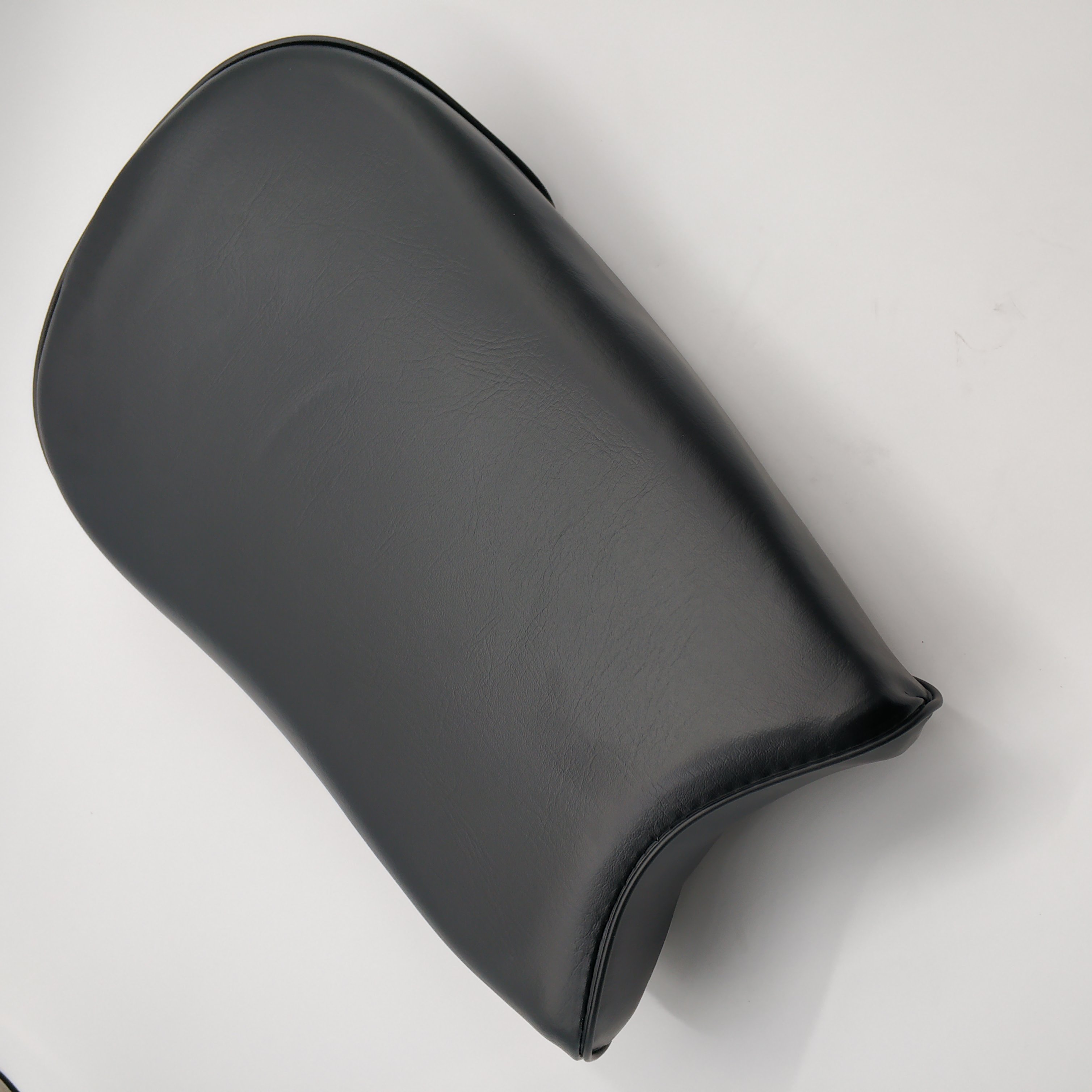
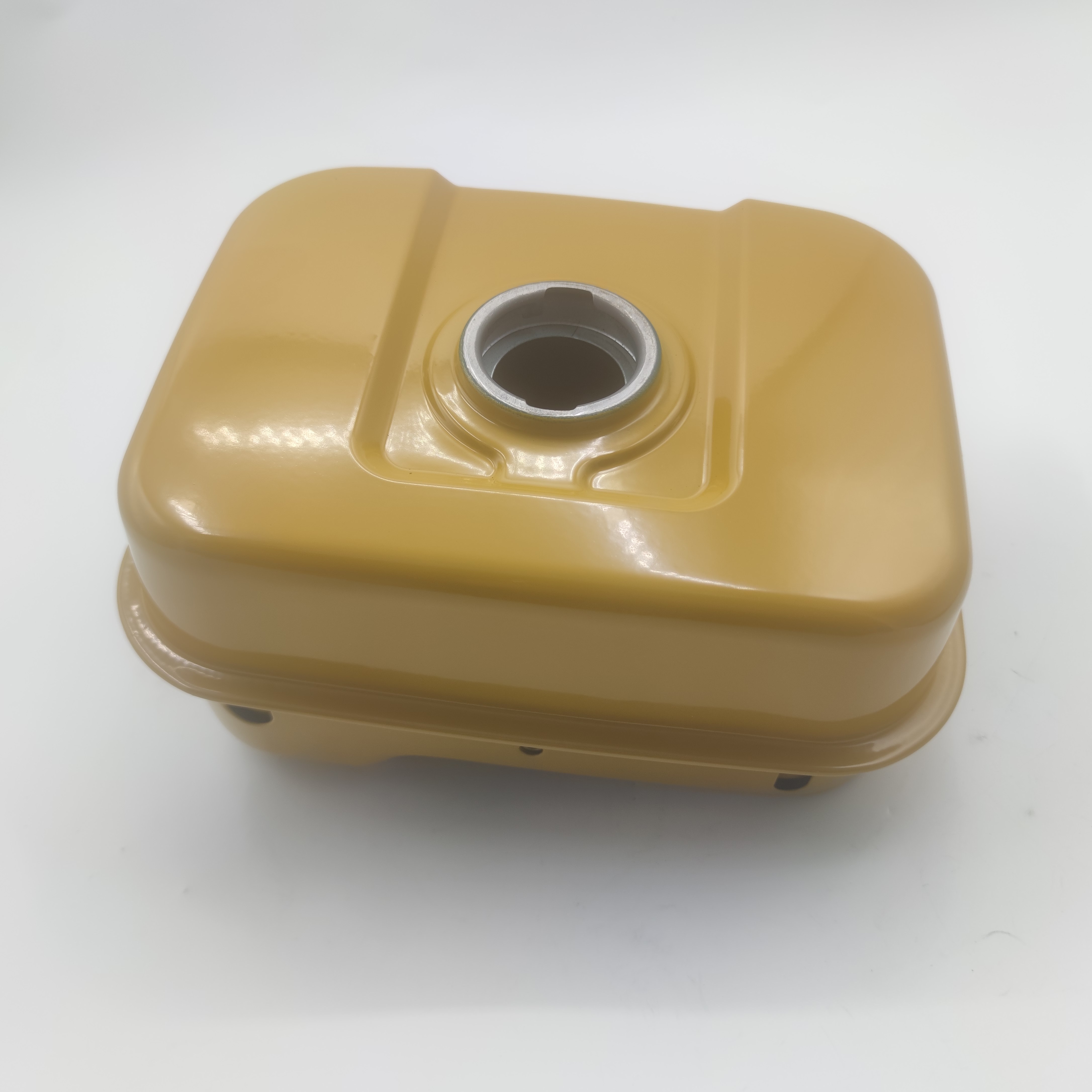
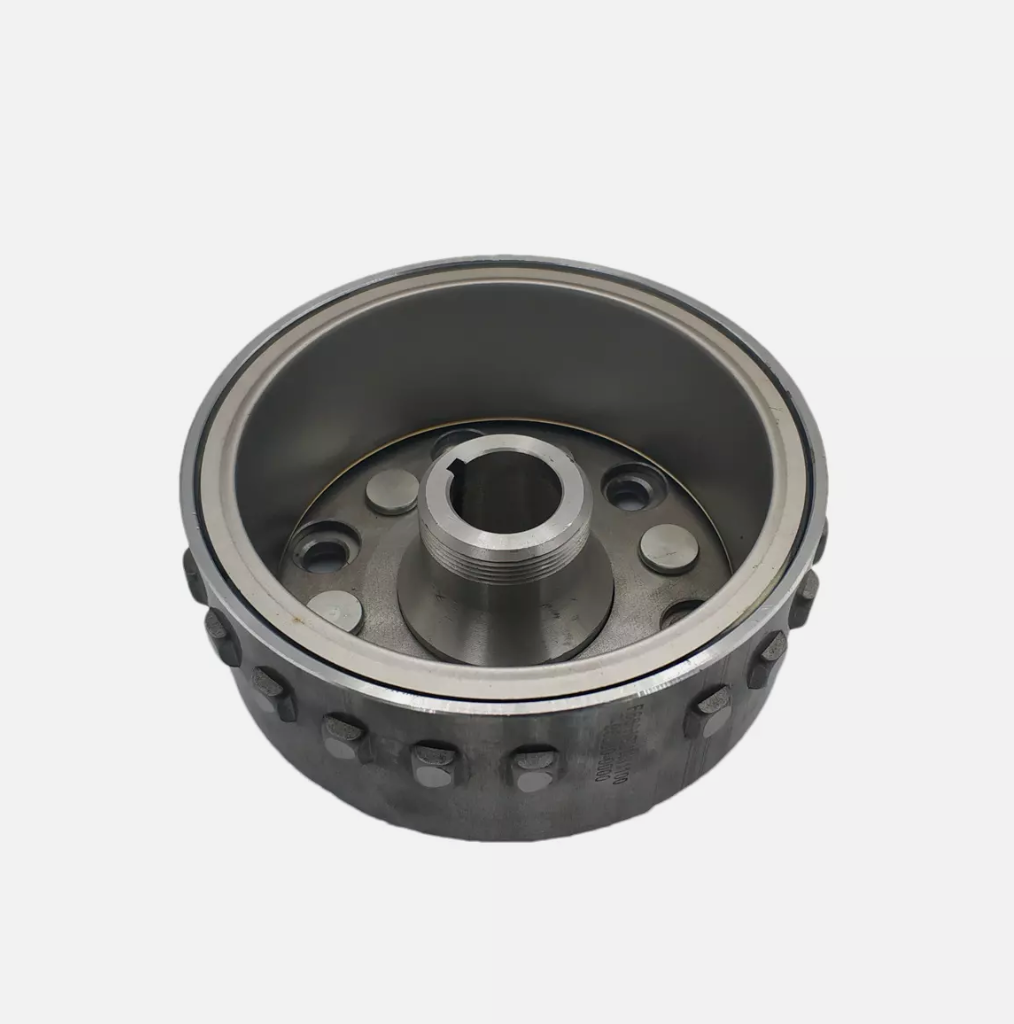
Introduction: A height increase tank cover on a CFMOTO 450SR moves where your knees and thighs press against the bike, and that contact point shapes how stable you feel in a corner.
Most riders discover on their first track day that the motorcycle does not hold them up — their legs do. The standard tank on a faired 450SR is shaped for everyday riding, so under hard braking the body slides forward, the wrists load up, and the knee never finds a firm place to push. A height increase tank cover changes that geometry by raising the outer contour of the tank itself. This piece explains what that raised outline does to knee and thigh contact, why that contact matters for body position, and which parts of the bike stay exactly the same.
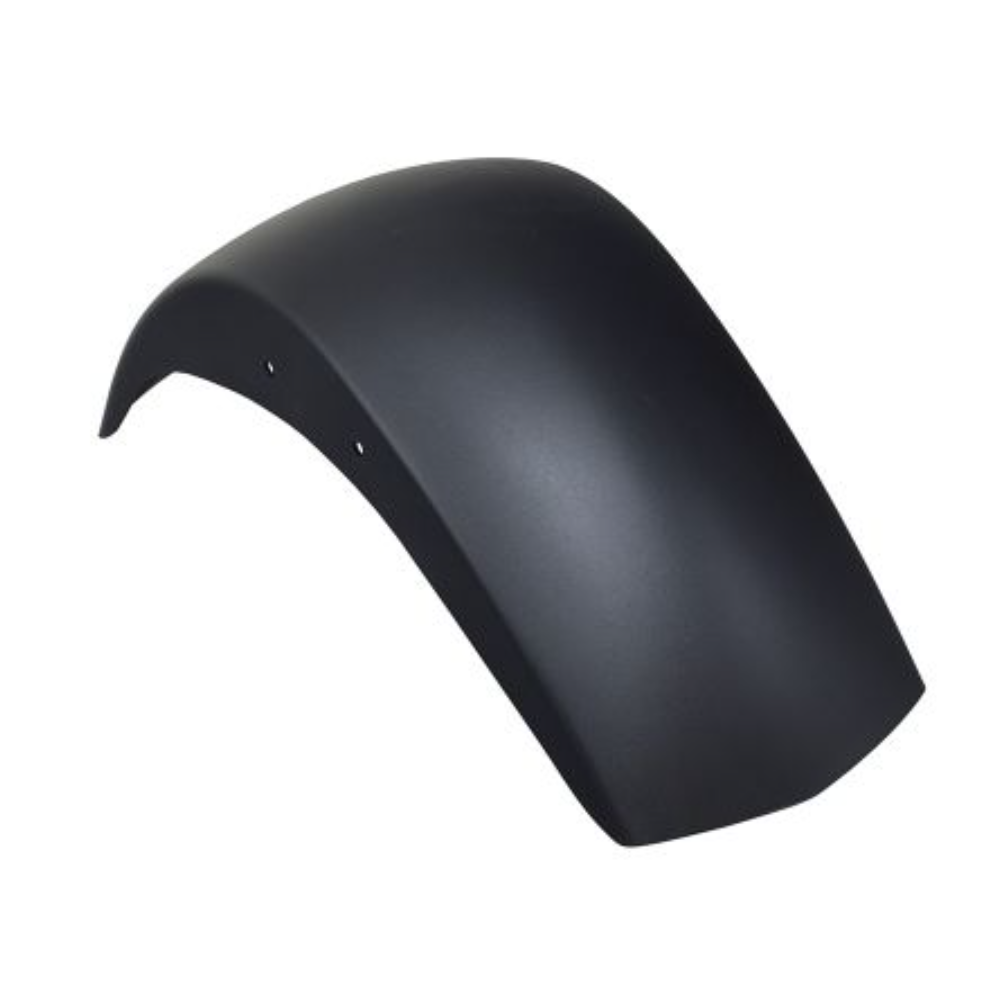
The change is geometric. A height increase cover adds a molded shell over the original tank, and its upper side edges sit higher and fuller than the stock surface. On the 450SR that means the panel your inner thigh meets is raised and pushed slightly outward, so the natural knee pocket between seat and tank moves up. Riders describe the result as the tank filling the gap under the leg: less empty air between thigh and bodywork when tucked in, and a solid face to press against when hanging off. Nothing inside the tank changes — fuel volume, filler neck, and pump stay exactly where they were. Feel varies with body size. A taller rider with long femurs usually notices the raised edge right away, because the knee lands on the new ledge instead of slipping past it. A shorter rider often feels the difference at the front of the thigh rather than at the knee. Bar height, rearset position, and seat foam all move the same contact patch, so a tank cover is one part of a position puzzle rather than a standalone fix. The CF275 cover for the 450SR, listed by PartsABC Auto Parts, is built around this height increase outline as a one-piece molded shell, which keeps the raised edge continuous instead of stacked from separate sections. The exact increase figure is not published, so the shape change itself is the practical takeaway.
Under hard braking, weight transfers forward and the arms take the load unless the legs do the work first. Track-day beginners hear "grip the tank with your knees" long before they understand that the tank's shape decides whether that instruction is even possible. Support comes down to contact area and where pressure lands. A surface that sits low and narrow gives the thigh almost nothing to push against, so the rider clamps harder, tires faster, and leans on the bars. A fuller, higher contour gives the leg a brace point and moves load off wrists and shoulders. That link between body position and tank outline is why this part gets discussed at all.
Two contact zones do most of the work: the inner thigh running along the tank side, and the knee pressing into the tank shoulder. Under braking the rider squeezes both; through a corner the outside leg braces while the inside knee opens out. When that contact patch is consistent, the rider stops shuffling in the seat and the bike stops being steered by the handlebars alone. When the patch feels vague, riders grip harder, burn energy early in a session, and unconsciously load the bars mid-corner. A raised outer contour spreads the squeeze across more of the leg, which turns a narrow pressure point into a broader, calmer brace.
Support and output are separate systems. The cover changes what your leg touches; it does not touch intake, fuel mapping, exhaust, gearing, or anything inside the engine. A rider may feel more planted and move across the bike more easily, yet the engine produces exactly the same power it did before the part went on. Beginners sometimes mix up "feels faster" with "is faster", and that confusion is worth clearing early. What genuinely shifts is effort: less arm tension, easier side-to-side transitions, and a body position that repeats more consistently from lap to lap.
Engine output stays untouched. Horsepower, top speed, and lap time are not changed by an outer tank shell, and no measured grip improvement is claimed for it either — the tires still meet the road exactly as before. Fuel capacity is unchanged, the filler cap sits in the same place, and the electronics and controls are unaffected. What the part alters is the shape your legs wrap around, which is why the honest way to describe the benefit is rider support and comfort rather than performance. Any lap-time gain you experience comes from your own body position and confidence, not from the cover generating anything extra. It also helps to keep the labels straight. A track-styled part is styling and contact geometry, while certified race equipment is a separate category with its own approval path, as the FIM's published documents make clear. This cover sits in the first group. It works fine for ordinary road riding as an outer shell over the tank, though the taller edge may feel unfamiliar at first, especially in textile pants at a standstill. The 450SR name belongs to CFMOTO and is used here only to identify which bike the cover fits, in the same descriptive way trademark guidance treats third-party model references.
A height increase tank cover on the 450SR is best understood as a contact-point change: the outer contour rises, the knee pocket lifts, and the thigh gains a broader surface to brace against under braking and through a corner. That makes body position easier to hold and easier to repeat, which is exactly what a track-day beginner is working on. It does not alter engine output, top speed, or the amount of grip the tires produce. If you want to see how the raised outline looks on the bike, the CF275 listing is a reasonable place to compare variants and confirm fitment for your model year.
A: It changes where your leg contacts the bike, not how much grip the tires produce. The raised outer contour gives the inner thigh more surface and lifts the knee pocket, so the squeeze under braking feels firmer and more consistent. Riders usually notice they can brace with the legs instead of hanging on the bars, which makes moving around the seat calmer. Actual road grip, tire behavior, and traction stay exactly as they were.
A: No. The cover is an outer shell over the tank, so it does not touch the engine, intake, exhaust, fuel mapping, or gearing. Horsepower and top speed remain identical to a stock 450SR. If you ride more smoothly and hold a better body position, the bike may feel quicker to you, but that comes from the rider rather than from the part making extra power.
A: Yes, it is an outer shell that fits over the standard tank, so everyday use is straightforward. The main difference you will notice is a taller edge against the leg, which can feel odd at first and may press differently in textile riding pants than in leathers. Rider size and bike setup change the feel, so sit on the bike before committing to a long trip.
The World of Motorcycling - Published Documents | FIM
CFMOTO 450SR Modification Racing Fuel Tank Cover, One-Piece Molding, Height Increase